Case Study: Immunology
The immunology team wanted a global view.
They designed HCP focus groups across seven countries to understand how treatment decisions varied by market. The fieldwork was ambitious and the perspectives were rich.
But once recordings started arriving, a familiar problem emerged.
Accents varied. Discussion guides had been translated differently. Recording quality shifted by country. Early transcripts were accurate on their own, but hard to compare side by side.
Global research only works if the data speaks the same language.
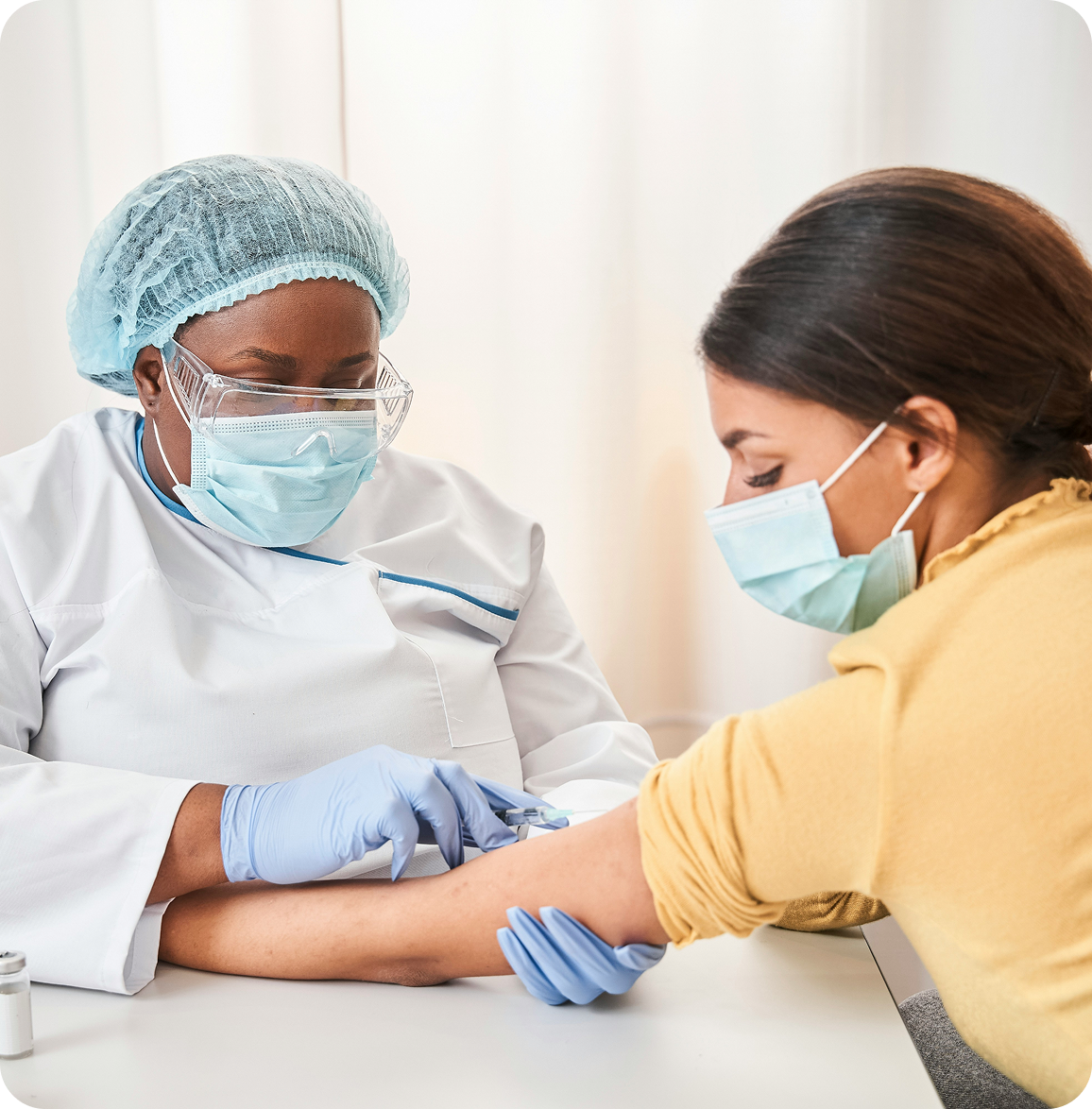
Making global conversations comparable
What Changed
Before the next wave of interviews, Wordibly helped the team reset. We aligned terminology across countries, standardized workflows, and applied shared glossaries before transcription and translation began.
Human transcribers and medical translators worked in tandem, guided by the same scientific language and context. A dedicated project manager tracked files market by market to keep everything aligned.
The Result
Transcripts became comparable across regions. Translations preserved meaning, not just words. Global analysis moved forward without friction.
Why It Mattered
In immunology research, variation is the insight. Inconsistency is the risk. Alignment made the difference.
The Result
Symptom timelines were clearer. Safety language was consistent. Caregiver and clinician perspectives were captured as stated, without distortion.
Why It Mattered
In rare disease research, accuracy protects trust. Human transcription supported reliable review and reporting where automation introduced risk.